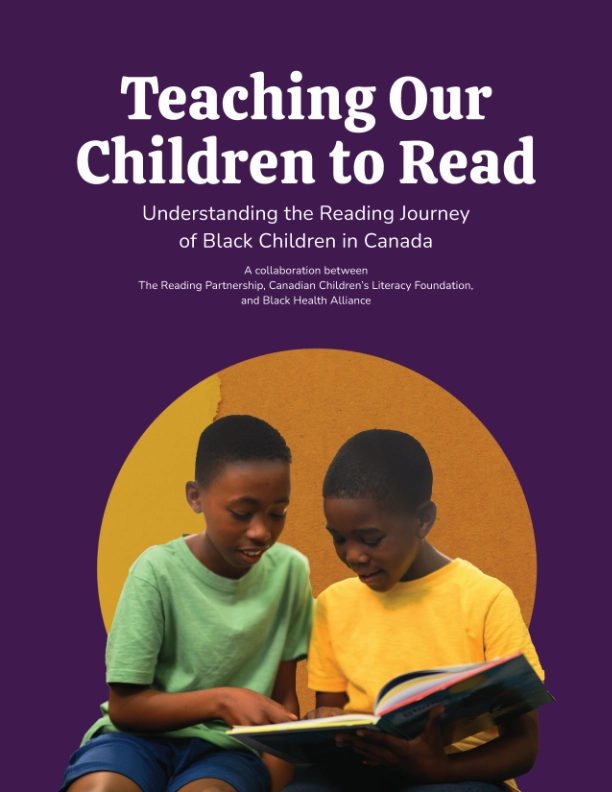
Teaching Our Children to Read dives into the systemic, institutional, and sociocultural barriers experienced by Black children in Canada, and how these challenges limit their future education and employment opportunities. It aims to shed light on the issues that Black families and service providers face when teaching Black children to read, and to identify opportunities for government, educators, local agencies, and community members to get involved and ensure that the right to read is realized for all Black children in Canada.
Literacy resources for
Healthcare Professionals
Explore our library of literacy resources curated for healthcare professionals, including downloadable tip sheets, videos, and more.
Why early literacy in healthcare
Early literacy begins at birth. Through everyday interactions such as talking, singing, reading and sharing stories, children build language and communication skills and a strong foundation for future learning.
Research shows that guidance from healthcare providers can positively influence early literacy practices at home. The Canadian Paediatric Society recommends incorporating early literacy promotion into everyday practice and helping families develop language- and literacy-rich habits from birth.
The healthcare provider’s role
Healthcare is one of the few systems that reaches nearly all families during a child’s earliest years. As trusted sources of guidance who often see families repeatedly, healthcare providers have a unique opportunity to support early literacy from birth.
Brief, strengths-based conversations can reinforce what families are already doing and offer practical ways to incorporate early literacy activities into everyday routines. Early literacy promotion can fit naturally into routine care by building on the conversations, interactions and guidance you already provide.

Getting started
Integrating early literacy into your practice doesn’t require significant changes to your workflow. The steps below provide practical ways to build your knowledge, plan your approach, create a supportive clinic environment, and incorporate early literacy promotion into everyday care.
Build your knowledge
Whether you’re new to early literacy promotion or looking for a refresher, this self-directed online learning module provides practical, evidence-informed guidance for integrating early literacy into routine care.
Co-developed by the Canadian Paediatric Society and the Canadian Children’s Literacy Foundation, this MOC-certified, one-hour module is designed for family physicians, paediatricians, nurses, allied health professionals, and anyone working with babies, young children, and their families.
Participants will learn how to counsel families about the benefits of reading, talking, singing, and sharing stories with young children, while building practical skills for integrating early literacy guidance into routine care.

Plan your approach
Every clinic is different. Rather than creating new workflows, look for opportunities to integrate early literacy promotion into the care you already provide. Planning ahead can help your team deliver consistent, meaningful literacy messages in a way that fits your practice.
As you plan, consider:
- Which appointments provide natural opportunities for literacy conversations?
- Which team members will deliver literacy messages?
- What resources will be available to families?
- What potential barriers to early literacy development are experienced by the families you serve?
- Which community organizations or services can support families beyond the visit?

Create a literacy-friendly clinic environment
The environment families experience in your clinic can help reinforce the importance of early literacy before, during, and after every visit.
Creating a literacy-friendly space encourages consistent messaging early and often, helping families understand that reading, talking, singing, and sharing stories support their child’s healthy development.
Simple additions—such as posters, book nooks, and other visual reminders—can help introduce early literacy concepts, spark conversations, and reinforce key messages throughout the clinic.

Put it into practice
Integrating early literacy into everyday care
Early literacy promotion doesn’t require a separate discussion or additional appointment time. Instead, look for opportunities to incorporate simple literacy messages into the conversations you’re already having with families about their child’s health, development and everyday routines. Using brief, strengths-based messaging helps make early literacy a natural part of routine care.

Share resources
Share practical resources with families, such as tip sheets, book recommendations, and community resources, to support early literacy at home and help them continue reading, talking, singing, and sharing stories together beyond their visit.

Quick reference guide
Whether you’re strengthening your approach to early literacy promotion, onboarding a new provider, or looking for a quick refresher, this guide provides a practical overview of the key steps, messages, and resources that support early literacy promotion in routine care.
Browse all resources
Browse the full library of practical, research-informed resources for healthcare providers — tip sheets, guides, videos and more.
-
Downloadable Resource
Provider Guide to Early Literacy Promotion
-
Downloadable Resource
Early Literacy Book Selection Guide (Birth – 5 Years)
-
Downloadable Resource
Early Literacy Promotion – Clinic Planning Worksheet
-
Downloadable Resource
Early Literacy Book Recommendations (0–5 Years)
-
Downloadable Resource
First Book Canada Information Sheet

Early Words Nunavut provider resources
Browse our resources for Early Words participants, including community-specific resources for providers in Nunavut.
The power of Early Words
A growing body of research highlights how critical early language and literacy development is for lifelong success.
Browse the research and learn how you can implement evidence-based practices in your work.
-
 Research and Policy
Teaching Our Children to Read: Understanding the Reading Journey of Black Children in Canada
-
 Policy Report
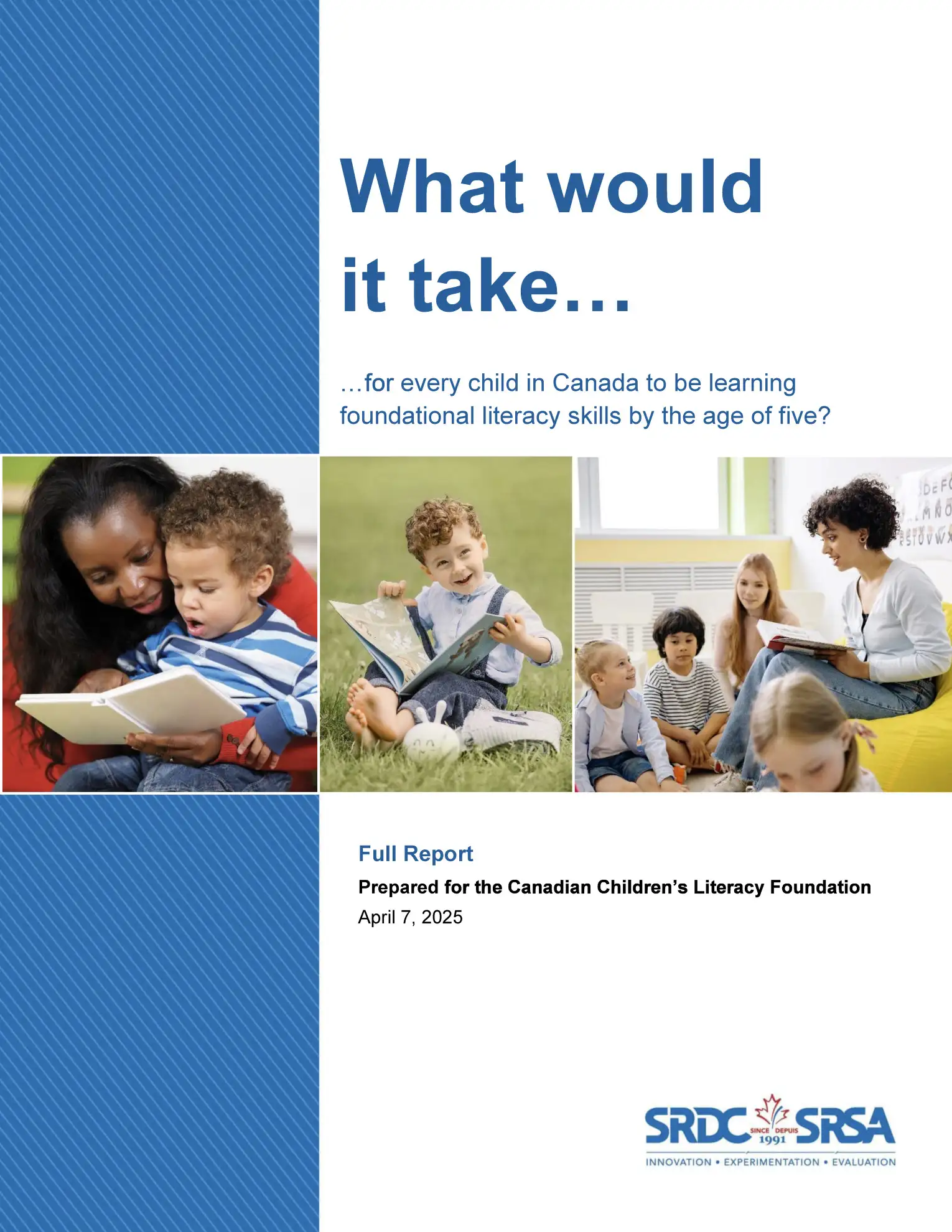
What would it take… for every child in Canada to be learning foundational literacy skills by the age of five?
This landmark report explores what children need to begin developing foundational literacy skills by the time they enter kindergarten — and how Canada can build a system that ensures all children are on this path. Created in collaboration with the Social Research and Demonstration Corporation (SRDC), What Would It Take… provides leaders across sectors with evidence-based insights and actionable recommendations to prioritize early literacy.
-
 Survey
The Role of Early Literacy in Early Learning and Child Care: A Survey of Early Childhood Educators
In September 2021, the Canadian Children’s Literacy Foundation (CCLF) and the Canadian Child Care Federation (CCCF) partnered on a national survey of early childhood educators (ECEs) to better understand the current role of early literacy and learning in child care settings in Canada, and to identify gaps and opportunities that may exist.
Thank you to our supporters!
Early Words was made possible by financial, in-kind and volunteer support. We sincerely thank all those who made it possible for us to help families bring early literacy activities to life.