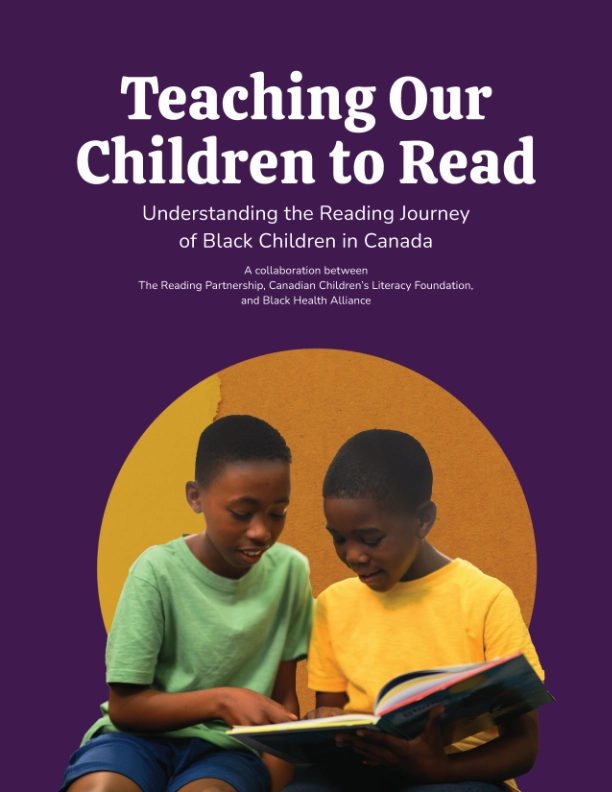
Teaching Our Children to Read dives into the systemic, institutional, and sociocultural barriers experienced by Black children in Canada, and how these challenges limit their future education and employment opportunities. It aims to shed light on the issues that Black families and service providers face when teaching Black children to read, and to identify opportunities for government, educators, local agencies, and community members to get involved and ensure that the right to read is realized for all Black children in Canada.
What we do
Learn more about the Canadian Children’s Literacy Foundation’s work.
Why early literacy matters
Literacy development starts long before a child enters the classroom.
From birth, children begin building the language and communication skills that form the foundation for reading. Everyday interactions like talking, singing, and reading help shape how they learn and make sense of the world.
Children who develop strong literacy skills at this stage are more likely to start school confident and ready to learn, and better equipped to keep up with lessons and stay engaged.
Literacy’s ripple effects are lifelong. Strong literacy sets the stage for better job opportunities, improved health, and greater confidence and connection.
Social Impact
- Literacy strengthens connection: Early literacy builds understanding of others’ experiences, making it a foundation for empathy and healthy relationships.
- Literacy protects against social exclusion and justice system involvement: Children with low literacy are more likely to be marginalized and, later, incarcerated.
- Literacy builds intergenerational equity: Literate families are more engaged, resilient, and able to pass on the social capital of literacy.


Economic Impact
- Literacy strengthens employment and earning potential: Literacy opens the door to stable, higher-paying jobs and greater career mobility.
- Literacy drives national productivity and reduces public costs: Literacy gains can raise GDP and reduce spending on healthcare, justice, and social assistance.
- Literacy breaks cycles of poverty: Literacy gaps are often passed between generations, but early intervention can create economic opportunity.
Health Impact
- Literacy saves lives: Low literacy has been linked to more frequent and longer illnesses, and even earlier death.
- Literacy is a key part of healthcare: People with low literacy can have problems understanding health information, how to use medications, and how to prevent illness or disease.

Featured resources
-
Downloadable Resource
Tips for Families #1: Raising Children to Speak More Than One Language
-
Downloadable Resource
Tips for Families #2: The home language and learning environment
-
Downloadable Resource
Tips for Families #3: Screentime and the Early Years
-
Downloadable Resource
Tips for Families #4: The impact of COVID-19 disruptions on early literacy and language development
-
Downloadable Resource
Tips for Families #5: Building early relational health through reading and sharing books

Our pandemic initiative
Learn how we distributed more than 300,000 brand-new children’s books over the summers of 2020 and 2021.
Research reports
At CCLF, we support and share research that’s backed by evidence. Check out our latest reports below.
-
 Research and Policy
Teaching Our Children to Read: Understanding the Reading Journey of Black Children in Canada
-
 Policy Report
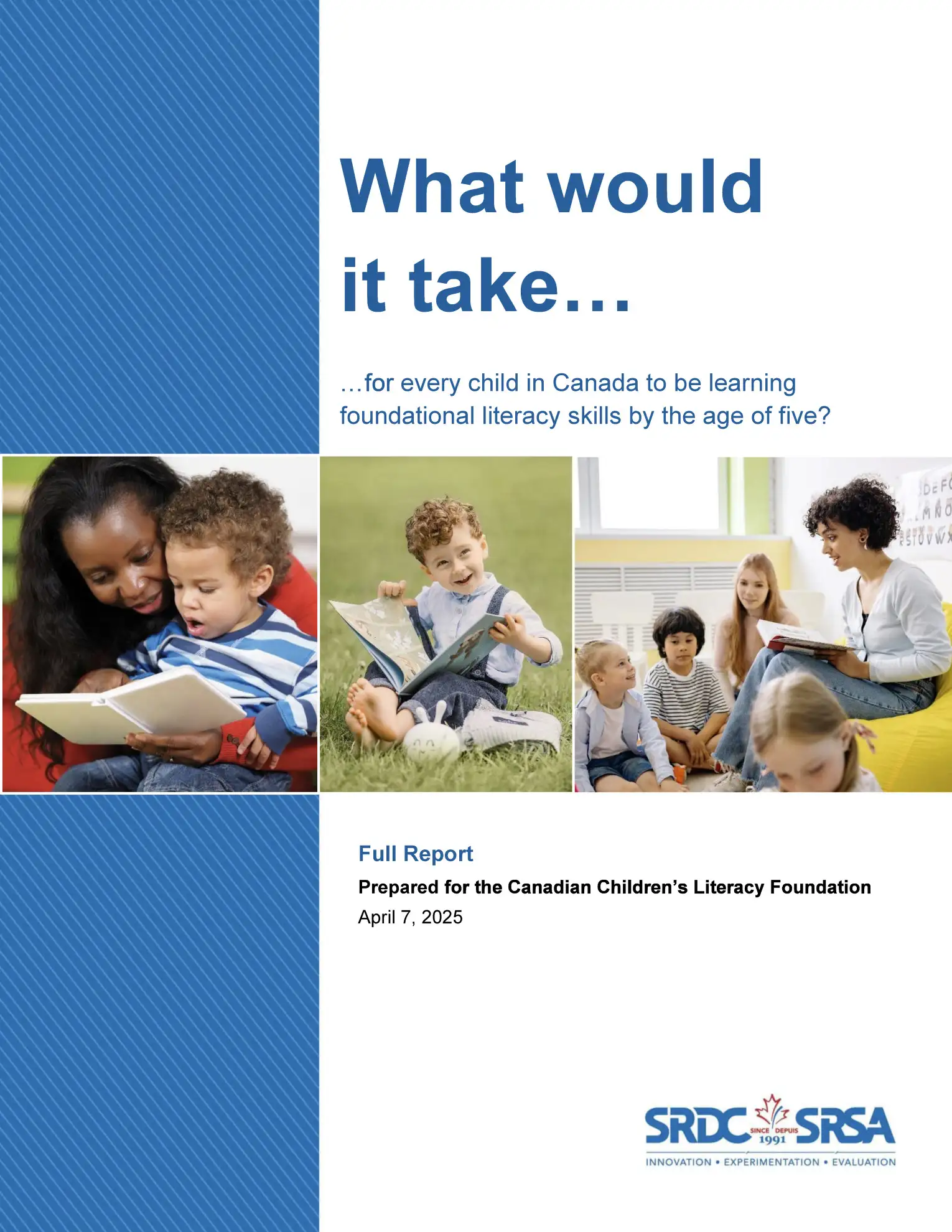
What would it take… for every child in Canada to be learning foundational literacy skills by the age of five?
This landmark report explores what children need to begin developing foundational literacy skills by the time they enter kindergarten — and how Canada can build a system that ensures all children are on this path. Created in collaboration with the Social Research and Demonstration Corporation (SRDC), What Would It Take… provides leaders across sectors with evidence-based insights and actionable recommendations to prioritize early literacy.
-
 Policy Report
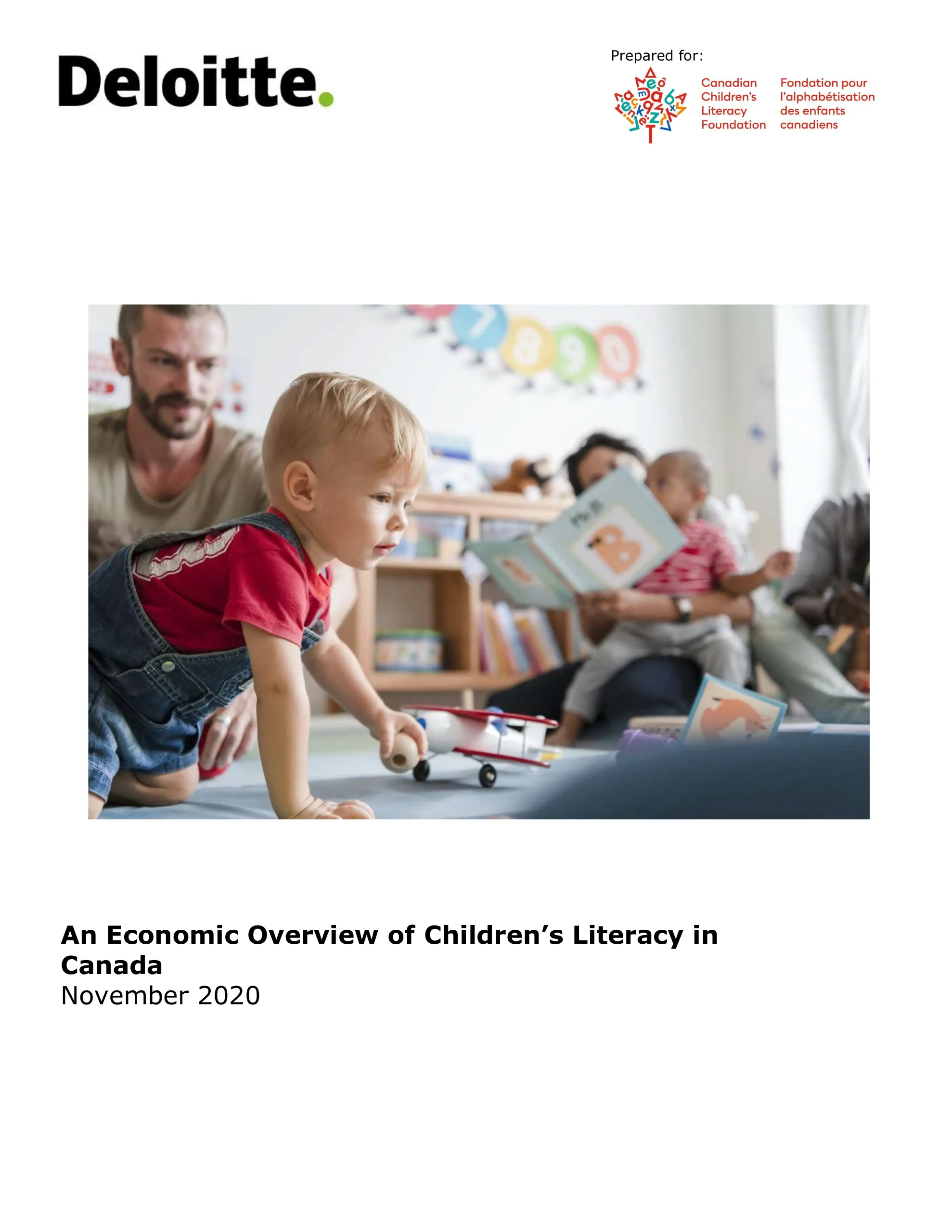
An Economic Overview of Children’s Literacy in Canada
Prepared by Deloitte Canada for the Canadian Children’s Literacy Foundation, An Economic Overview of Children’s Literacy in Canada paints a compelling picture of why investing in early literacy is the cornerstone of children’s health, education, future employment and income, and why it is critical for the future of Canada.