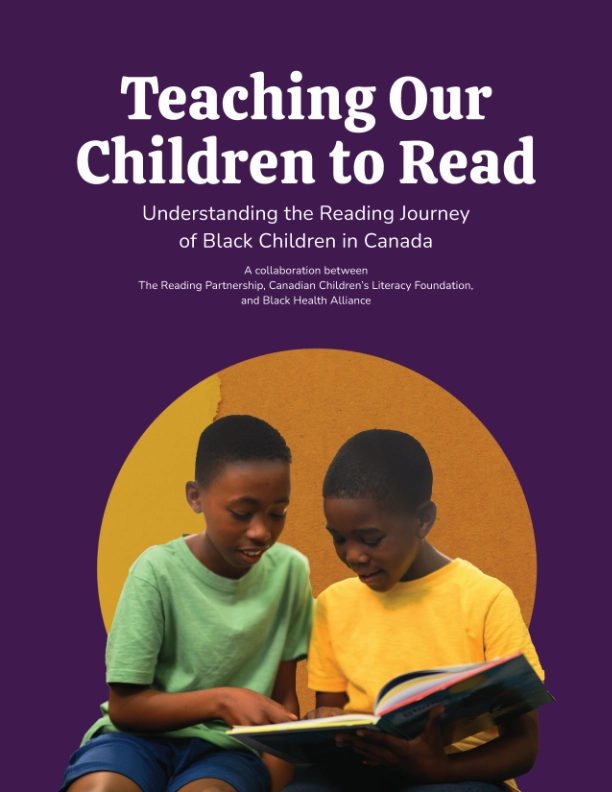
Teaching Our Children to Read dives into the systemic, institutional, and sociocultural barriers experienced by Black children in Canada, and how these challenges limit their future education and employment opportunities. It aims to shed light on the issues that Black families and service providers face when teaching Black children to read, and to identify opportunities for government, educators, local agencies, and community members to get involved and ensure that the right to read is realized for all Black children in Canada.
Research and Advocacy
System-level change, fueled by evidence-based research
Advancing literacy
We mobilize our community to act — from signing open letters to elected officials to joining campaigns that call for meaningful investment in early literacy.
At the Canadian Children’s Literacy Foundation, we champion the belief that every child deserves the chance to thrive through strong literacy skills. With your support, we are advancing literacy in Canada by commissioning evidence based research, advocating for systemic change, shaping policy, and raising public awareness.
We engage in national policy conversations by offering evidence-based insights and recommendations to all levels of government, sharing our expertise with media, participating in roundtables, and partnering with others in the literacy space.
Whether through advocating for culturally responsive approaches in Indigenous communities or sharing data with provincial education ministries, our efforts aim to make literacy a priority in public discourse and planning.
Advocacy
Core to our work is advocating for the importance of literacy at a national, provincial, and local level. Read about our advocacy efforts below.
Evidenced-Based Research
We’re committed to commissioning, distributing, and amplifying evidence-based research on early literacy. In doing so, we ensure those best positioned to take action are able to do so from an informed standpoint. Browse our research below.
-
 Research and Policy
Teaching Our Children to Read: Understanding the Reading Journey of Black Children in Canada
-
 Policy Report
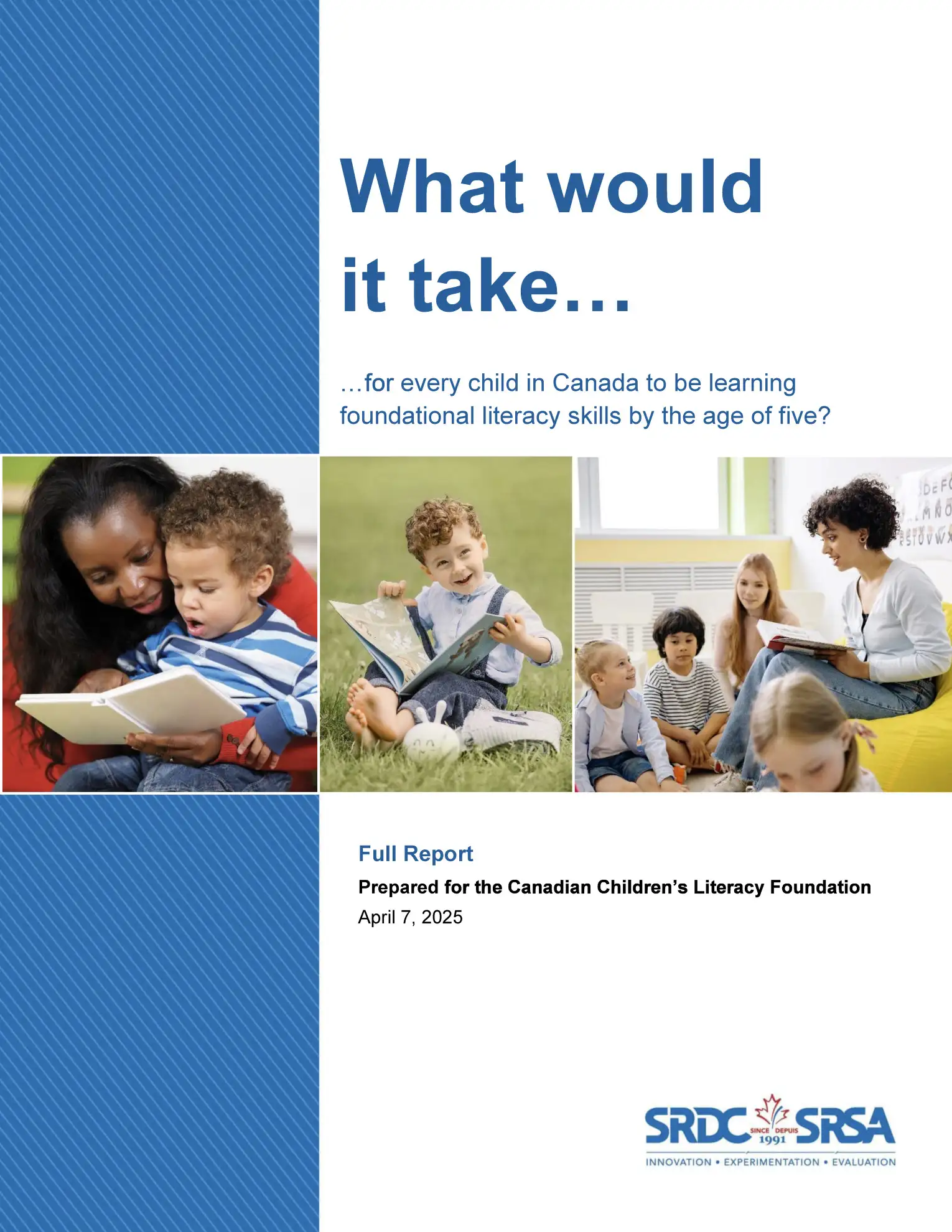
What would it take… for every child in Canada to be learning foundational literacy skills by the age of five?
This landmark report explores what children need to begin developing foundational literacy skills by the time they enter kindergarten — and how Canada can build a system that ensures all children are on this path. Created in collaboration with the Social Research and Demonstration Corporation (SRDC), What Would It Take… provides leaders across sectors with evidence-based insights and actionable recommendations to prioritize early literacy.
-
 Survey
The Role of Early Literacy in Early Learning and Child Care: A Survey of Early Childhood Educators
In September 2021, the Canadian Children’s Literacy Foundation (CCLF) and the Canadian Child Care Federation (CCCF) partnered on a national survey of early childhood educators (ECEs) to better understand the current role of early literacy and learning in child care settings in Canada, and to identify gaps and opportunities that may exist.
-
 Policy Report
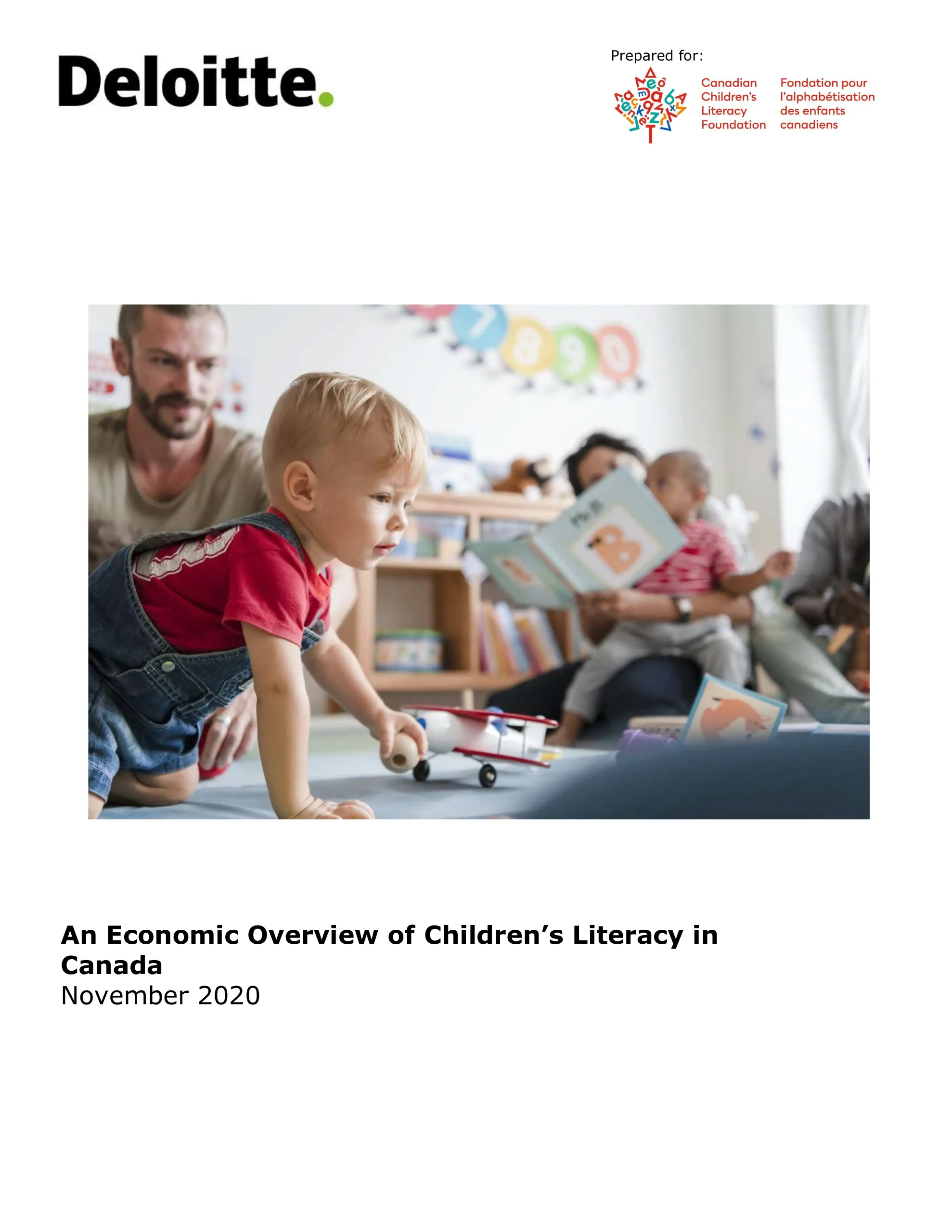
An Economic Overview of Children’s Literacy in Canada
Prepared by Deloitte Canada for the Canadian Children’s Literacy Foundation, An Economic Overview of Children’s Literacy in Canada paints a compelling picture of why investing in early literacy is the cornerstone of children’s health, education, future employment and income, and why it is critical for the future of Canada.