This landmark report explores what children need to begin developing foundational literacy skills by the time they enter kindergarten — and how Canada can build a system that ensures all children are on this path. Created in collaboration with the Social Research and Demonstration Corporation (SRDC), What Would It Take… provides leaders across sectors with evidence-based insights and actionable recommendations to prioritize early literacy.
Leveraging early years education and care systems to help children develop foundational literacy skills.

About the program
Empowering educators with research-backed tools
The Early Words for Early Years Educators program equips educators and childcare workers with training and research-backed tools to support early language and literacy development in children aged 0–5 in a variety of settings.
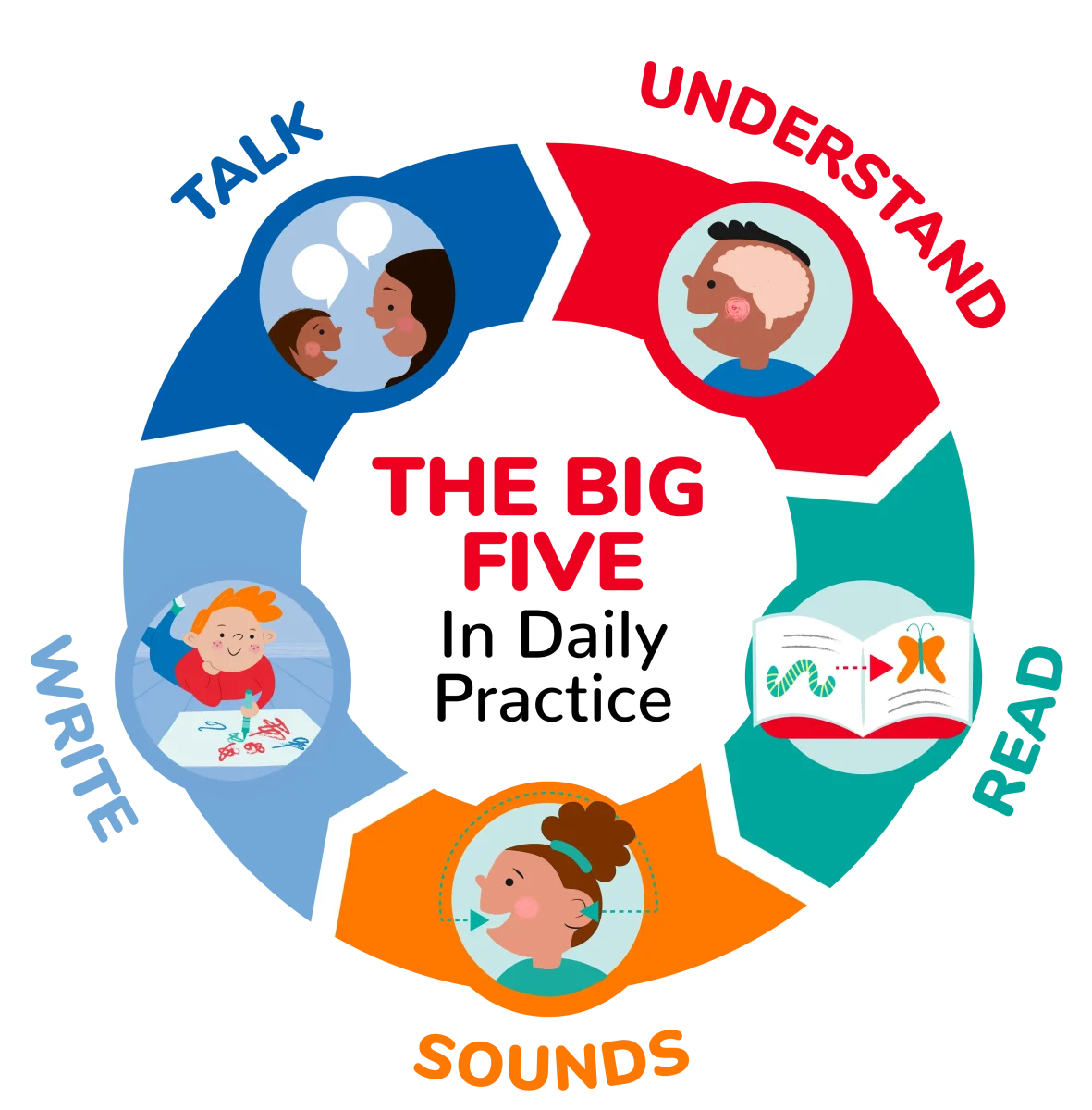
Childcare is a key touch point for children to develop the five foundational literacy skills necessary for beginning to learn to read:
- talking and communicating,
- understanding,
- print concepts,
- sounds and letters, and
- early writing.
Our program offers ongoing mentorship and teaches educators fun, practical strategies to help the children in their care build these skills through everyday activities such as shared book reading, dramatic play, and storytelling.
Workshops and training
Interactive workshops, custom-built for early years educators
We’ve developed a foundational literacy module made up of three workshops to build knowledge and capacity among early years educators:
- Tell a Story, Act it Out
- Shared Book Reading
- Play with Purpose
These workshops focus on using everyday moments such as play, storytelling, and reading aloud to build key early literacy skills. Each session offers practical, research-backed strategies that can be easily embedded into daily routines.
These trainings have been developed alongside a team of experts and are supported by the Canadian Childcare Federation.
Upcoming sessions
The research behind early literacy and early years education
Evidence has shown that early years educators play a critical role in helping children develop pre-literacy skills. It’s also shown that there is a gap in their knowledge and practices when it comes to early literacy — despite a clear interest in it.
Our research explores what educators feel they need to best support children’s literacy development, and how Canada can build a system that empowers them to do so.
-
 Policy Report
What would it take… for every child in Canada to be learning foundational literacy skills by the age of five?
-
 Survey
The Role of Early Literacy in Early Learning and Child Care: A Survey of Early Childhood Educators
In September 2021, the Canadian Children’s Literacy Foundation (CCLF) and the Canadian Child Care Federation (CCCF) partnered on a national survey of early childhood educators (ECEs) to better understand the current role of early literacy and learning in child care settings in Canada, and to identify gaps and opportunities that may exist.

By the numbers
-
733
Early Years Educators trained through virtual and in-person sessions since October 2024.
Thank you to our partners!
We’re proud to be able to deliver this program thanks to strategic partnerships with key child-serving organizations, including:



Informed by experts
To ensure this program is evidence-based, we’ve collaborated with a range of experts in the field, including pedagogical mentors, early years educators, adult learning specialists, child development experts, and Indigenous leaders. Together, this advisory committee has guided us in the creation of a meaningful, science-backed program. We’re grateful to them for their support.
-

Amanda Hachey
Systems Convener
NouLab and Future Skills Centre
-

Amy Rzezniczek
PhD Candidate, School and Applied Child Psychology
Western University
-

Colin King
Director, Mary J. Wright Child and Youth Development Clinic & Associate Professor
Western University
-

Diane Pesco
Associate Professor (retired)
Concordia University
-

Dina Mohamed
Program Director; ECE, MAED in curriculum studies
Centre of Dreams and Hopes
-

Dr. Megan Gath
PhD
University of Cantebury
-
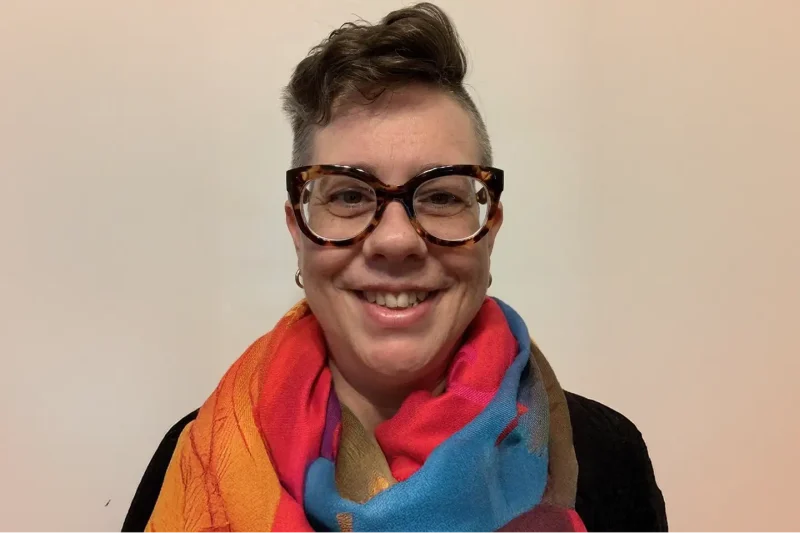
Kim Kreuger
MEd, Literacy Specialist, Professor in Adult Learning
Conestoga College
-
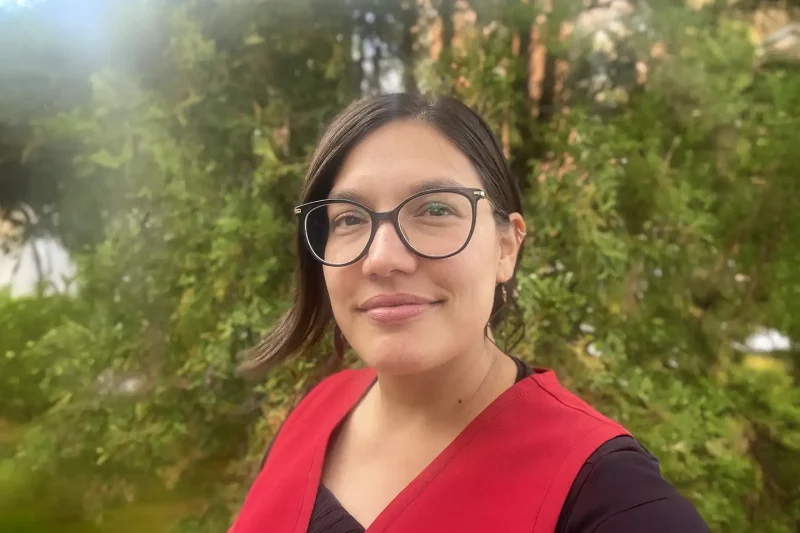
Kim Lem
RECE, Pedagogical Mentor
St. John’s Nursery School, Waterloo
-

Lisa Prinn
Indigenous Early Learning Support
Toronto District School Board (TDSB)
-
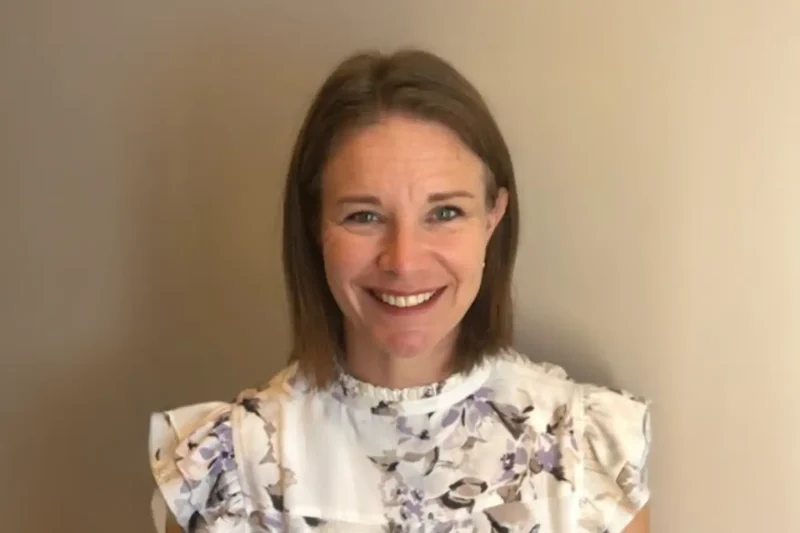
Mme Lockhart
Special Ed Classroom Teacher and Structured Literacy Teacher
-

Rachel Krahn
Master’s Student, School and Applied Child Psychology
Western University
-

Robin McMillan
Innovator, Projects, Programs and Partnerships
Canadian Child Care Federation
-

Tessa Weadman
PhD, Early Literacy Expert
La Trobe University
-

Una Malcolm
Chief Academic Officer
Dyslexia Canada
Partner with us
Interested in exploring partnership possibilities? Here are just a few of the ways we can support your work:
- Training your ECEs
- Developing a curriculum
- Advising on early literacy related projects,
- Presenting at a PD day at your center or organization
Whether you’re interested in the above or have something else in mind, let us know!